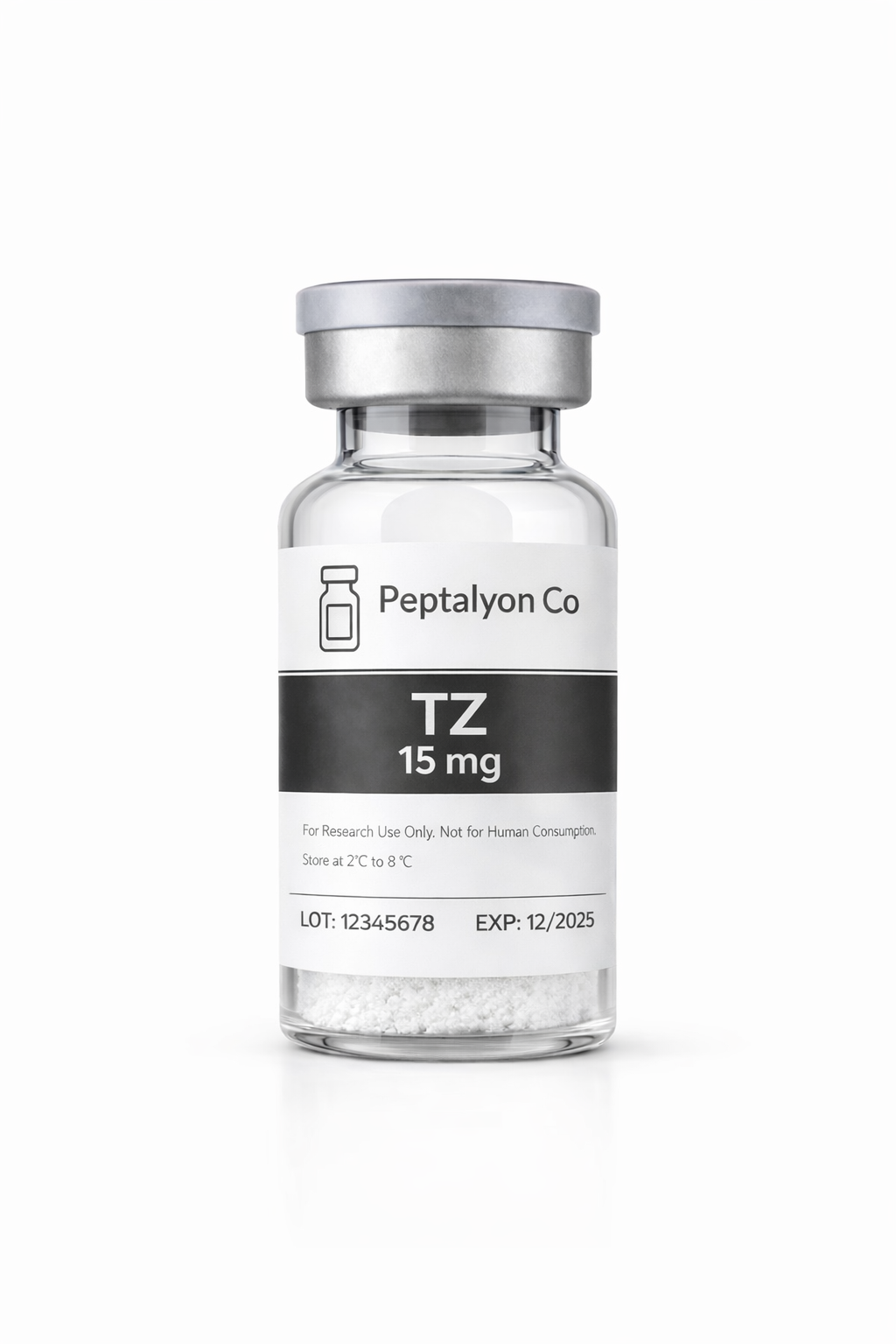
TZ
Research GLP
$39.99
Out of stock
Product Description
TZ (scientific designation LY3298176) is a long-acting dual incretin receptor agonist that interacts with both the GLP-1 (glucagon-like peptide-1) and GIP (glucose-dependent insulinotropic polypeptide) receptors. This dual-pathway activity makes TZ a valuable compound for laboratory and scientific research focused on metabolic regulation and energy balance mechanisms.
Researchers utilize TZ to study glucose regulation pathways, appetite-related signaling, gastric emptying dynamics, and lipid metabolism in controlled experimental models. Its extended half-life and dual-receptor engagement allow investigation of synergistic incretin signaling effects under standardized laboratory conditions.
This compound is not intended for human or animal use, and is not designed for therapeutic, diagnostic, or clinical applications. All use must remain strictly within qualified research settings.
Important Notice
For research purposes only. Not for human or animal use & not FDA-approved.
By purchasing, you confirm you are 21 years or older and a qualified researcher.
Dual receptor activity targeting GLP-1 and GIP signaling pathways
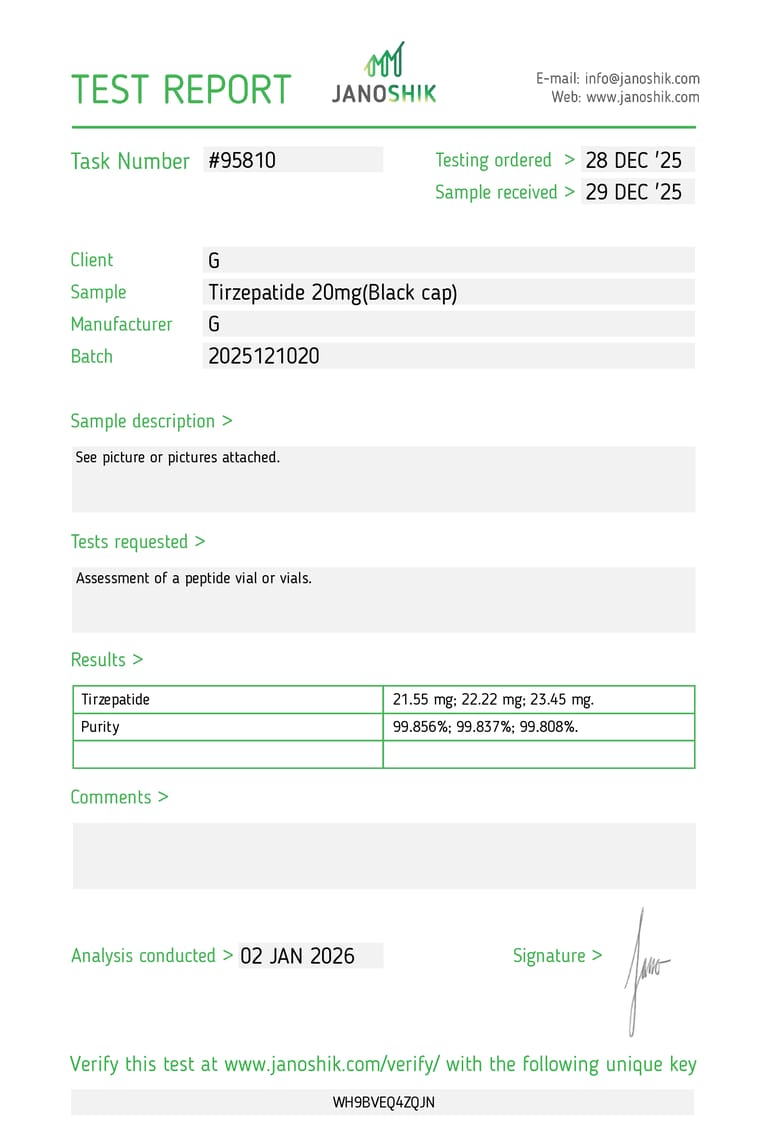
High purity (≥98%) to support reproducible experimental outcomes
Long-acting molecular design suitable for extended dosing models
Widely referenced in metabolic and energy-balance research literature
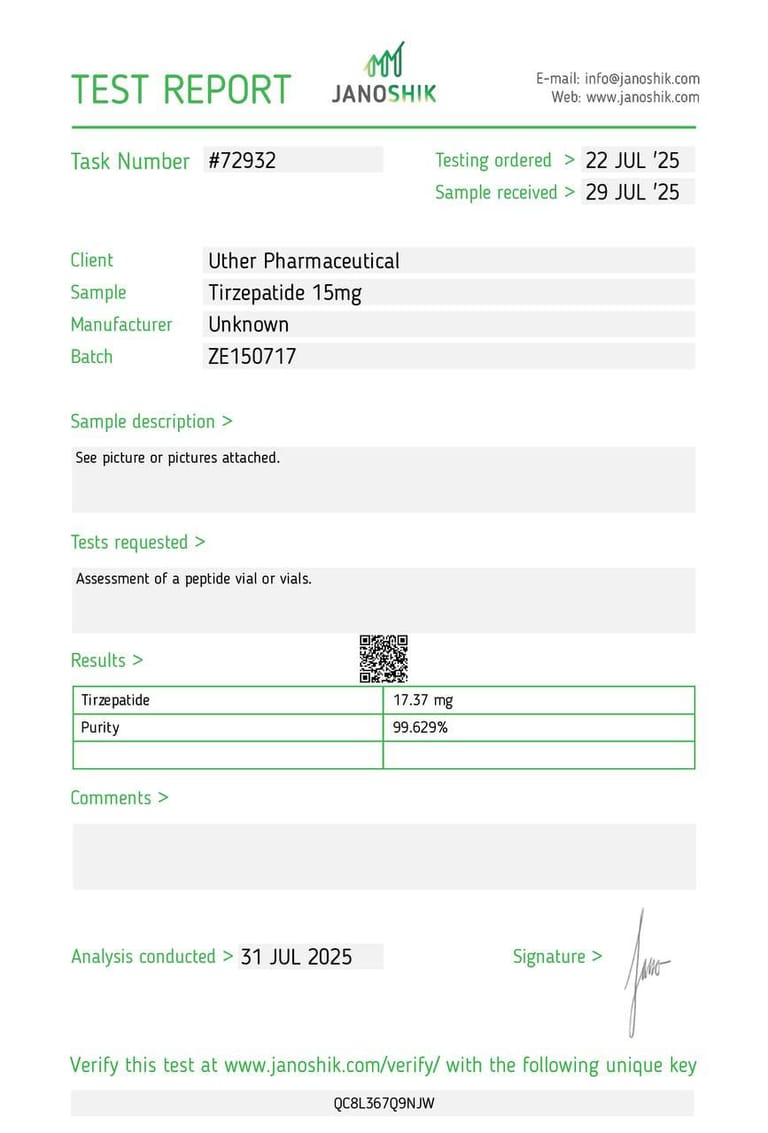
Batch verified for identity, potency, and structural integrity
Glucose Regulation Pathways
TZ is studied for its interaction with glucose-stimulated insulin signaling pathways in preclinical and controlled research models. Investigations examine receptor-mediated effects on fasting and post-prandial glucose dynamics.
Appetite & Energy Balance Research
Experimental models explore how dual incretin signaling may influence central and peripheral appetite-related pathways, including mechanisms involved in food intake regulation and energy expenditure.
Insulin Sensitivity & Lipid Metabolism
Research evaluates the compound’s role in insulin sensitivity markers, fat oxidation pathways, and lipid metabolism, with particular interest in metabolic efficiency and substrate utilization.
Cardiometabolic Signaling
Preclinical studies investigate potential interactions between TZ and cardiovascular-related signaling mechanisms, including blood pressure regulation and lipid-associated risk markers, though pathways remain under investigation.
Effects of subcutaneous TZ versus placebo or semaglutide on key components of diabetes pathophysiology in patients with type 2 diabetes.
The Lancet Diabetes & Endocrinology
https://www.sciencedirect.com/science/article/pii/S2213858722000857Efficacy and safety of TZ for weight loss in patients with obesity or type 2 diabetes: a systematic review and meta-analysis.
Frontiers in Endocrinology (2025)
https://www.frontiersin.org/journals/endocrinology/articles/10.3389/fendo.2025.1593134/fullTZ Treatment and Associated Changes in β-Cell Function and Insulin Sensitivity in People With Obesity or Overweight With Prediabetes or Normoglycemia.
Diabetes Care
https://doi.org/10.2337/dc25-0763TZ: A novel antidiabetic molecule with dual-action mechanisms.
Environmental Health and Preventive Medicine
https://link.springer.com/article/10.1186/s12982-024-00200-2